
Low-emissivity retrofit film
Low-E Window Film in Fort Lauderdale
In a cold climate, low-E film is sold as a way to keep heat in. In Fort Lauderdale it earns its keep the other way around, by keeping radiant heat out of buildings with older single-pane glass that were never designed for a modern cooling load.
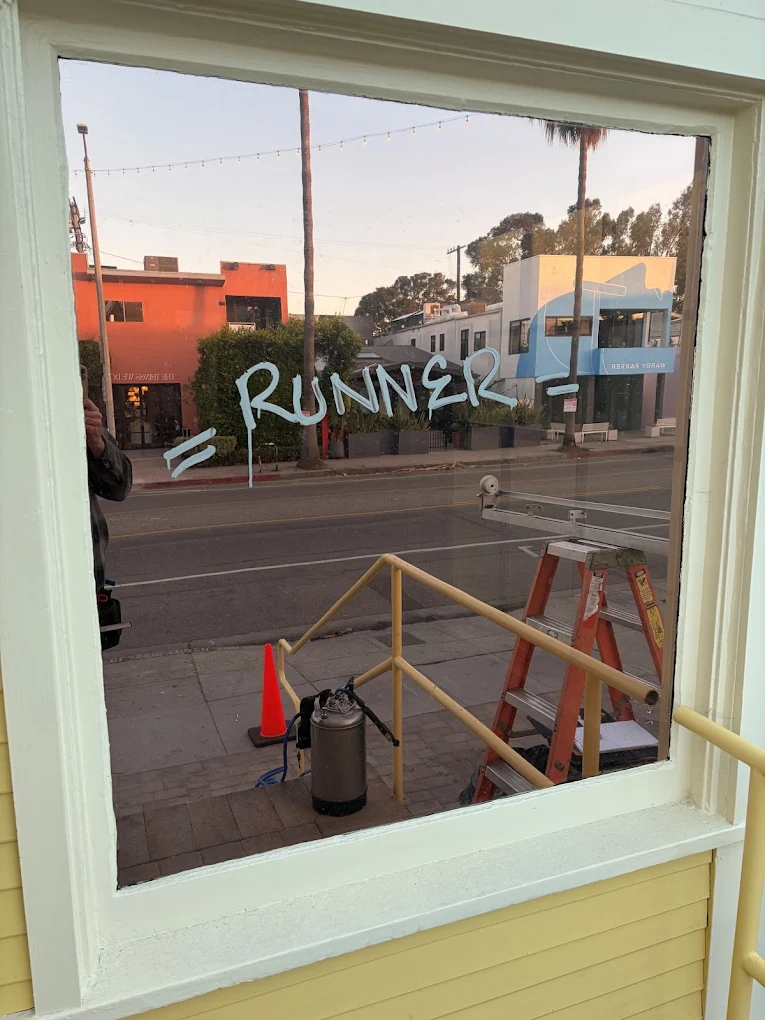 Fort Lauderdale
Low-E Window Film in a Fort Lauderdale Climate
A low-emissivity film carries an extremely thin coating that turns back long-wave infrared, the heat that warm surfaces give off. Old single-pane glass in Broward heats up through the afternoon and then glows that warmth onto whoever sits near it, so a desk by the window feels hot even when the thermostat reads normal. The coating damps that effect, and many low-E products also reflect a slice of incoming sunlight.
The result is a window that behaves more like modern glass. Seats near the glass feel cooler, the perimeter zone is easier to condition, and the cooled air inside does not lose as much to the glass. On the few cool winter mornings Broward gets each year, the same film slows heat loss, but that is a side benefit here, not the main reason to install it.
Buildings in Broward That Benefit From Low-E Film
Low-E film pays off where a lot of original, unimproved glass is still in service. Many schools, churches, civic buildings and low-rise offices in Broward were built before modern energy codes and still have original glazing. Mid-century office buildings along Federal Highway and Andrews Avenue, older churches with tall windows, and classroom wings in public and private schools all fit the pattern.
Replacing that glass is expensive, and in Broward it usually means moving to impact-rated windows, which raises the cost further. Low-E film is a way to improve the existing glass while a building plans for eventual replacement, or where replacement is not affordable.
- Schools and classroom wings with original glass
- Churches and fellowship halls with tall windows
- Mid-century low-rise office buildings
- Civic and community buildings
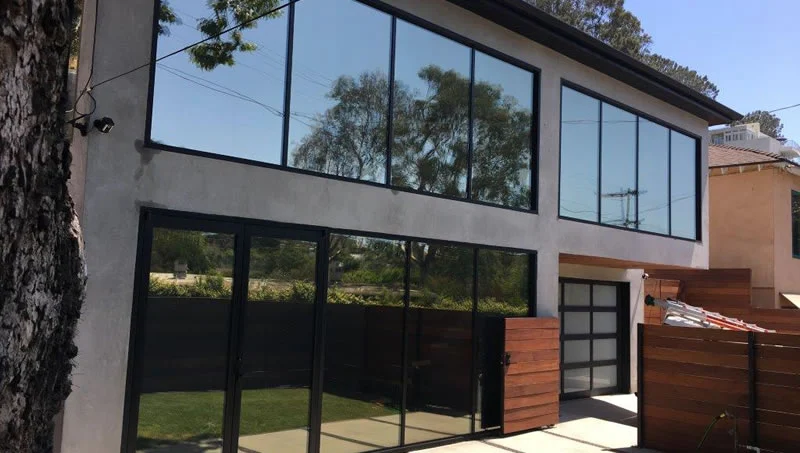
Low-E Film Compared With Standard Solar Film
Standard solar control films focus on reflecting or absorbing incoming sunlight. Low-E films add a coating that also limits radiant heat transfer through the glass in both directions. In practice, a low-E solar film handles the incoming sun on sunny elevations and also improves comfort on shaded elevations where the glass still warms up from the outside air.
Low-E films are usually a little more expensive than standard solar films, and they are best on single-pane glass. On newer insulated or impact glass that already has a factory low-E coating, adding a low-E film brings much less benefit, and compatibility needs checking. We look at the glass before recommending low-E film.
Low-E Film for Schools, Churches and Civic Buildings
Schools, churches and public buildings often have tight budgets, approval processes and schedules built around the calendar. We provide written scopes, product data and options at different price levels for boards and facility committees. Installs can be planned for summer break, weekday evenings or other times the building is empty.
For school districts and government buildings, we can supply data for energy reports and grant applications. We do not promise specific savings, but we provide the performance values engineers and consultants need to evaluate the upgrade.
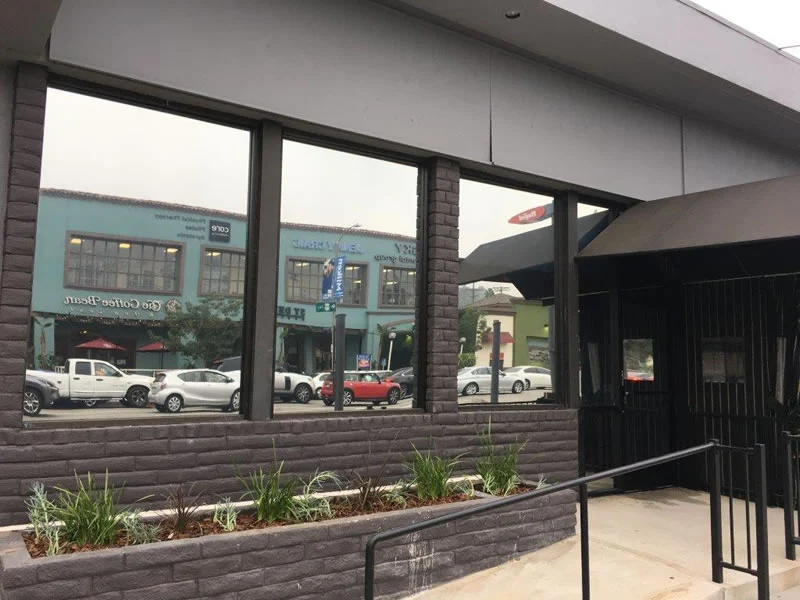
Installing Low-E Window Film in Occupied Buildings
The film goes on the room side of each pane. Big campuses are split by wing or floor and scheduled around classes, services or office hours, with drop cloths down and furniture moved back afterward.
Low-E coatings can be more sensitive to scratching than standard films, so cleaning methods matter. We provide clear instructions and recommend soft cloths and approved cleaners on filmed glass.
Low-E Window Film Benefits for Fort Lauderdale Buildings
Cooler Seats Near Single-Pane Glass
Low-E film reduces radiant heat from warm glass, so people sitting near windows feel more comfortable even when the air temperature is the same.
Low-E Film for Older Commercial Windows
An aging single-pane wall performs more like newer glazing after the film goes on, which matters when replacement in Broward means pricey impact-rated assemblies.
Easier Perimeter Cooling With Low-E Film
Less radiant and solar heat at the glass makes perimeter zones easier to condition, helping older HVAC systems keep up through the cooling season.
Low-E Film Data for Facility Teams
We provide emissivity, solar heat gain and light transmission data so engineers and facility committees can evaluate the film before approving it.
Low-E Window Film FAQs for Fort Lauderdale Facilities
Is low-E film useful in Fort Lauderdale's warm climate?
Yes, mainly for cooling. It reduces radiant heat from warm single-pane glass and, depending on the product, rejects part of the incoming solar energy.
Should we use low-E film on impact or insulated glass?
Usually it adds less there, because those units often have a factory low-E coating. We check the glass and recommend the right film.
Can low-E film be installed during summer break?
Yes. Schools and churches often schedule installs for summer or weekday evenings. We plan around your calendar.
How do we clean windows with low-E film?
Use soft cloths and approved, non-abrasive cleaners. We leave written instructions for custodial staff.
Will low-E film help a church sanctuary with tall west windows?
Often a great deal. Tall single-pane sanctuary glass radiates heat onto the back pews late in the day, and a low-E solar film cuts both the direct sun and that radiant warmth. We bring samples so the committee can see how it changes the light in the room.
Window film quote
Low-E Window Film Proposals in Fort Lauderdale
Tell us about the building, the age of its glass and the hours it sits empty in the quote form. We request photos of the elevations during follow-up, and a written scope comes after that.